
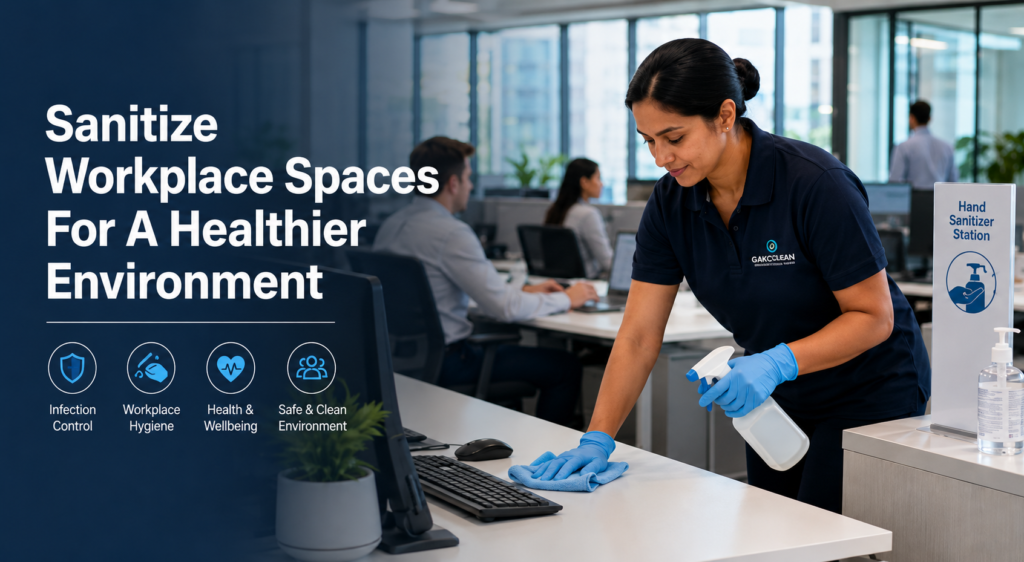
Maintaining a clean and hygienic work environment is about more than appearance. Clean workplaces help reduce the spread of germs, support employee wellbeing, and create a safer environment for staff, visitors, and customers. This article explains workplace hygiene practices, infection control principles, and practical ways to maintain cleaner workspaces across different industries.
Why This Information Matters
A clean workplace is essential for protecting employee health, reducing the spread of germs, and creating a safer environment for everyone who enters the workplace. Understanding workplace hygiene practices can help businesses maintain higher cleanliness standards, support infection control efforts, and promote overall wellbeing.
In this article, you will gain a comprehensive understanding of:
- Why workplace hygiene is important for health and safety
- How infection control helps reduce contamination risks
- Practical workplace hygiene procedures for daily operations
- Effective ways to clean and disinfect workplace surfaces
- The role of hygiene standards and occupational hygiene
- Answers to common questions about workplace cleanliness
Key Takeaways
- Workplace cleanliness supports employee health, safety, and productivity.
- Effective infection control combines cleaning, disinfection, and personal hygiene practices.
- Workplace hygiene procedures should focus on high-touch surfaces and shared spaces.
- Consistent hygiene standards help reduce contamination risks.
- Occupational hygiene practices contribute to safer work environments across industries.
These key points highlight the importance of maintaining consistent hygiene practices across all workplace environments. Understanding why these measures matter provides a strong foundation for creating safer, healthier, and more productive spaces.
The Importance of Workplace Hygiene for Health, Safety, and Productivity
A clean workplace helps create an environment where people can work comfortably and safely. Dust, bacteria, viruses, and other contaminants can accumulate on frequently touched surfaces, especially in shared offices, reception areas, meeting rooms, kitchens, and restrooms. Workplace hygiene is closely connected to health and hygiene outcomes. When hygiene in the workplace becomes part of daily operations, businesses can better manage contamination risks and maintain cleaner environments for employees and visitors. Many businesses rely on professional commercial cleaning services to help maintain consistent workplace hygiene standards.
Office hygiene is not limited to visible cleanliness. It also includes cleaning schedules, sanitation practices, waste management, ventilation considerations, and infection control procedures. A proactive approach to cleanliness creates a strong foundation for workplace safety and hygiene across all business environments.
What Are the 5 Standards of Infection Control?
The five commonly recognised infection control standards focus on reducing the risk of harmful microorganisms spreading between people, surfaces, and environments. These standards support hygiene safety practices across workplaces and public facilities.
The key principles of infection control focus on preventing the spread of harmful microorganisms and maintaining safer workplace environments. While specific frameworks may vary by industry and regulatory requirements, the following core practices are widely recognised:
- Hand hygiene through regular and effective hand washing or sanitising
- Environmental cleaning and routine disinfection of workplace surfaces
- Appropriate use of personal protective equipment (PPE) when exposure risks are present
- Safe handling and disposal of waste, including potentially contaminated materials
- Cleaning, disinfection, and management of high-touch surfaces and shared equipment
These principles help reduce contamination, support workplace hygiene standards, and improve infection prevention. When combined with effective cleaning procedures and employee awareness, they create safer environments and help minimise health risks.
Maintaining Hygiene in the Workplace
Maintaining hygiene in the workplace involves regular cleaning of shared areas, disinfecting high-touch surfaces, encouraging good hand hygiene, managing waste correctly, and following workplace hygiene procedures. Consistency is important because germs can quickly spread through commonly used spaces such as desks, kitchens, meeting rooms, and restrooms. A structured cleaning routine helps support employee wellbeing and contributes to a cleaner, safer workplace environment.
Maintaining hygiene requires ongoing attention rather than occasional cleaning. The next step is understanding how workplace cleanliness supports both health and productivity.
How Workplace Cleanliness Supports Productivity
A well-maintained environment can positively influence employee comfort and daily operations. Cluttered or poorly maintained spaces may create distractions and contribute to avoidable hygiene concerns.
Why Clean Shared Spaces Matter
Meeting rooms, kitchens, break rooms, and reception areas experience frequent use throughout the day. Regular cleaning helps maintain hygiene standards and creates a more pleasant environment for staff and visitors.
Clean shared spaces also support workplace hygiene goals by reducing opportunities for contamination to spread between users.
Reduced Environmental Contamination
Workstations, keyboards, phones, door handles, and shared equipment often accumulate germs through repeated contact, making routine cleaning and disinfection of workplace surfaces essential for reducing contamination levels and supporting broader infection control efforts. Maintaining workplace cleanliness is not simply about appearance; it helps create conditions that support safer daily operations and better hygiene outcomes.
7 Workplace Hygiene Principles for a Healthier Workplace
The seven basic hygiene principles provide a practical framework for maintaining workplace cleanliness, supporting infection control, and reducing contamination risks. These principles are widely recognised as foundational hygiene practices that help create safer environments for employees, visitors, and customers. Understanding and applying these hygiene principles can strengthen workplace health and hygiene standards while supporting broader workplace safety and hygiene objectives.
These principles include several foundational practices that help maintain workplace hygiene, reduce contamination risks, and support infection control efforts across different work environments:
1. Hand Hygiene
Regular and thorough hand washing is one of the most effective ways to prevent the spread of germs, bacteria, and viruses. Employees should wash their hands after using restrooms, before eating, and after touching shared surfaces or equipment.
2. Personal Cleanliness
Maintaining personal hygiene, including clean clothing, proper grooming, and respiratory etiquette, helps reduce the risk of contamination in shared workplace environments.
3. Surface Cleaning and Disinfection
Frequently touched surfaces such as desks, keyboards, phones, door handles, and shared equipment should be cleaned and disinfected regularly to minimise the spread of harmful microorganisms.
4. Safe Food Handling
Workplace kitchens and break rooms should follow proper food hygiene practices, including safe food storage, preparation, and disposal, to reduce the risk of foodborne illnesses.
5. Effective Waste Management
Proper disposal of general waste, food waste, and potentially contaminated materials helps maintain cleanliness and prevents the buildup of bacteria and unpleasant odours.
6. Cleaning Equipment Maintenance
Cleaning tools and equipment should be cleaned, stored, and maintained correctly to prevent cross-contamination and ensure effective cleaning outcomes.
7. Infection Prevention Practices
For remote workers, maintaining a clean and organised home office can enhance productivity, comfort, and overall wellbeing. Professional domestic cleaning services can help ensure these workspaces remain clean, hygienic, and conducive to a healthy working environment.
Together, these seven hygiene principles support workplace cleanliness, employee wellbeing, and safer shared environments, especially when combined with good personal hygiene, structured workplace procedures, and regular cleaning.
Proper Workplace Surface Disinfection for Maximum Hygiene
Workplaces that provide services to seniors often require higher hygiene standards to help protect vulnerable individuals. Maintaining a clean and well-sanitised environment is essential for supporting their health, safety, and wellbeing. Specialised elderly care services can assist in meeting these hygiene requirements and ensuring consistent cleanliness throughout the facility.
Priority Workplace Surfaces for Frequent Disinfection
High-touch surfaces should receive priority because they are handled repeatedly throughout the day and can contribute to the spread of contaminants.
Common high-touch workplace surfaces include:
- Door handles and push plates
- Light switches
- Shared desks and workstations
- Telephones and headsets
- Computer keyboards and mice
- Kitchen counters and appliance handles
- Bathroom fixtures and taps
- Lift buttons and handrails
Regular attention to these areas supports workplace hygiene procedures and helps reduce contamination risks in shared environments.
Best Practices for Disinfecting Workplace Areas
Effective workplace disinfection typically involves a structured process that ensures surfaces are both cleaned and properly treated.
Best practices include:
- Removing visible dirt and debris before disinfecting
- Using appropriate cleaning and disinfecting products
- Following manufacturer instructions for safe use
- Allowing the recommended contact time for disinfectants
- Using clean cloths, wipes, or equipment
- Replacing contaminated cleaning materials when necessary
- Maintaining consistent cleaning and disinfection schedules
Following these practices helps strengthen infection control measures and supports workplace hygiene standards across offices, commercial facilities, and shared work environments.
Importance of Regular Surface Disinfection
Regular disinfection of workplace surfaces helps minimise the accumulation of germs on frequently touched areas. Combined with hand hygiene, routine cleaning, and workplace hygiene procedures, surface disinfection forms an important part of a comprehensive workplace cleanliness strategy.
A consistent approach to cleaning and disinfection supports safer workplaces, reinforces hygiene safety practices, and contributes to a healthier environment for employees, visitors, and customers.
Effective Methods for Disinfecting Workspace Areas
To disinfect workspace areas, first clean surfaces to remove visible dirt and debris. Next, apply an appropriate disinfectant according to the manufacturer’s instructions and allow the required contact time before wiping or air drying. Focus on high-touch surfaces such as desks, keyboards, phones, door handles, and shared equipment. Regular cleaning combined with proper disinfection helps support infection control and workplace hygiene objectives.
Understanding disinfection is important, but broader hygiene management requires a structured workplace approach.
Workplace Hygiene Procedures and Best Practices
Workplace hygiene procedures are structured, documented practices that help maintain cleanliness, support employee health and wellbeing, reduce contamination risks, and promote a safer working environment. These procedures form the foundation of effective workplace hygiene programs and play an important role in infection control, workplace safety, and regulatory compliance.
Common workplace hygiene procedures include:
- Daily cleaning schedules that outline responsibilities, cleaning frequencies, and priority areas such as workstations, meeting rooms, kitchens, and restrooms
- Waste disposal processes that ensure rubbish, recyclables, and potentially contaminated materials are handled and removed safely
- Restroom maintenance routines that include cleaning, disinfecting, restocking hygiene supplies, and monitoring high-use facilities throughout the day
- Shared equipment cleaning procedures for items such as phones, keyboards, printers, touchscreens, and other frequently used devices
- Kitchen hygiene protocols covering food preparation areas, refrigerators, sinks, countertops, and shared appliances to help prevent contamination
- Hand hygiene practices that encourage regular hand washing, use of hand sanitiser, and proper hygiene etiquette among employees and visitors
- Reporting hygiene concerns through clear communication channels so spills, maintenance issues, contamination risks, or cleaning deficiencies can be addressed promptly
- High-touch surface disinfection programs focused on door handles, light switches, lift buttons, desks, and other commonly touched areas
- Cleaning documentation and inspection processes that help maintain hygiene standards, demonstrate compliance, and support continuous improvement efforts
These procedures help maintain consistent hygiene standards across all workplace areas, providing clear guidance for cleanliness and infection prevention. When followed regularly, they support healthier, safer, and more productive environments while strengthening overall hygiene and safety practices.
Occupational Hygiene and Workplace Safety
Occupational hygiene focuses on identifying and managing environmental factors that may affect worker health. It extends beyond visible cleanliness and considers workplace exposures, contaminants, and environmental conditions.
Key areas of occupational hygiene include:
- Identifying potential workplace hazards that may impact employee health
- Monitoring exposure to dust, chemicals, fumes, and other contaminants
- Assessing indoor air quality and ventilation systems
- Evaluating noise levels, lighting, and environmental conditions
- Implementing control measures to reduce health and safety risks
- Supporting compliance with workplace health and safety requirements
- Promoting long-term employee wellbeing through preventive practices
The Role of Occupational Hygiene Services
Occupational hygiene services and occupational hygiene consultants may help organisations assess workplace conditions, identify areas requiring attention, and evaluate factors such as air quality, contaminants, and other workplace conditions that could affect employee wellbeing. These services are often particularly valuable in environments where exposure risks are more complex.
Supporting Long-Term Workplace Health
Occupational hygiene contributes to safer work environments by promoting risk management and preventive practices. Combined with effective workplace cleanliness programs, occupational hygiene supports long-term health and safety outcomes across a variety of industries.
A comprehensive hygiene strategy includes both day-to-day cleaning activities and broader environmental management considerations. By integrating routine cleaning with broader environmental controls, organisations can create healthier workplaces and better manage potential risks over the long term.
Best Practices for Disinfecting Public Areas and High-Traffic Spaces
Public areas require additional attention because they are accessed by multiple people throughout the day. Reception areas, waiting rooms, entrances, elevators, and shared amenities often experience higher levels of contact.
Recommended practices include:
- Increasing cleaning frequency
- Prioritising high-touch surfaces
- Maintaining restroom hygiene
- Providing hand hygiene facilities
- Monitoring waste disposal areas
These measures help support infection control and contribute to cleaner shared environments.
Public area hygiene is most effective when supported by clear procedures, staff awareness, and consistent maintenance routines.
Supporting Workplace Hygiene Through Professional Cleaning
Professional cleaning services can be helpful for workplaces that need regular, thorough cleaning to maintain a safe and hygienic environment. This is especially important for larger facilities, busy workplaces, and shared spaces where cleanliness needs to be managed consistently.
Rather than placing multiple internal links in one section, consider linking to relevant services throughout the article where they naturally support the topic being discussed. This creates a better user experience and helps readers find related information when it is most useful.
Using a workplace hygiene checklist can also make it easier to stay organised by highlighting key cleaning tasks, high-touch areas, and routine maintenance activities that should be completed regularly.
Conclusion
Workplace cleanliness plays an important role in maintaining safer, healthier, and more productive environments. Effective workplace hygiene combines regular cleaning, disinfection of workplace surfaces, personal hygiene practices, infection control measures, and clearly documented procedures.
By maintaining consistent hygiene standards and supporting health and hygiene objectives, organisations can create environments that better protect employees, visitors, and customers. A structured approach to cleanliness helps strengthen workplace safety while supporting long-term wellbeing outcomes.
FAQ
What are infection control risks in the workplace?
Infection control risks include contaminated surfaces, poor hand hygiene, inadequate cleaning procedures, improper waste handling, and frequent contact with shared equipment. Identifying and managing these risks helps support a safer workplace environment.
Why is workplace hygiene important?
Workplace hygiene helps reduce contamination risks, supports employee wellbeing, and contributes to a cleaner and safer environment. Consistent hygiene practices also help maintain professional standards within shared workspaces.
What is the difference between cleaning and disinfecting?
Cleaning removes dirt, dust, and debris from surfaces. Disinfecting uses products designed to reduce microorganisms on cleaned surfaces. Both activities are important components of infection control programs.
How often should high-touch surfaces be cleaned?
Cleaning frequency depends on workplace activity levels and usage patterns. Frequently touched surfaces such as door handles, desks, phones, and shared equipment generally require more regular attention than low-contact areas.
What is personal hygiene in the workplace?
Personal hygiene in the workplace includes hand washing, maintaining personal cleanliness, following workplace health practices, and helping reduce the spread of contaminants within shared environments.
What are hygiene standards in a workplace?
Hygiene standards refer to the procedures and expectations used to maintain cleanliness, support infection control, manage waste, and promote safe working conditions across workplace environments.